- Water-based tire shine that nourishes the rubber, gives a deep satin finish, and doesn't sling up the sides of your car.
- UV-protective dressings that keep trim and plastics darker for longer instead of drying them out.
- Interior conditioners that protect and soften leather, vinyl, and plastics without feeling greasy.
- Vehicle-specific glass cleaners that leave clear, streak-free windows with no film or haze.
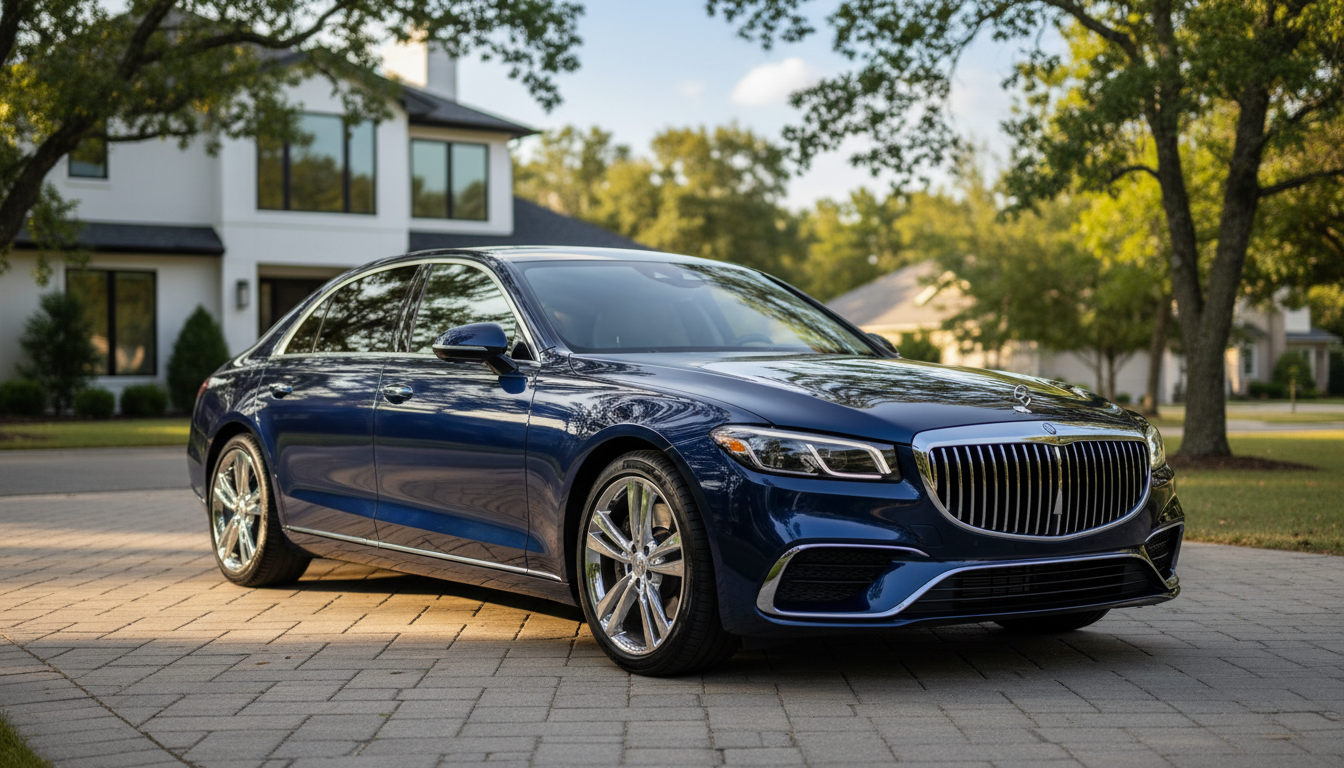
A shiny car in the driveway doesn't always mean it was detailed the right way. On the surface, it might look clean — but the wrong detailer can leave behind sticky carpets, swirl marks, and hidden damage that you only start to notice days or weeks later. By the time the odors come back, the trim starts to fade, and the paint looks tired again, it's already harder (and more expensive) to fix than if it had been done right the first time.
The hidden costs of a bad detail
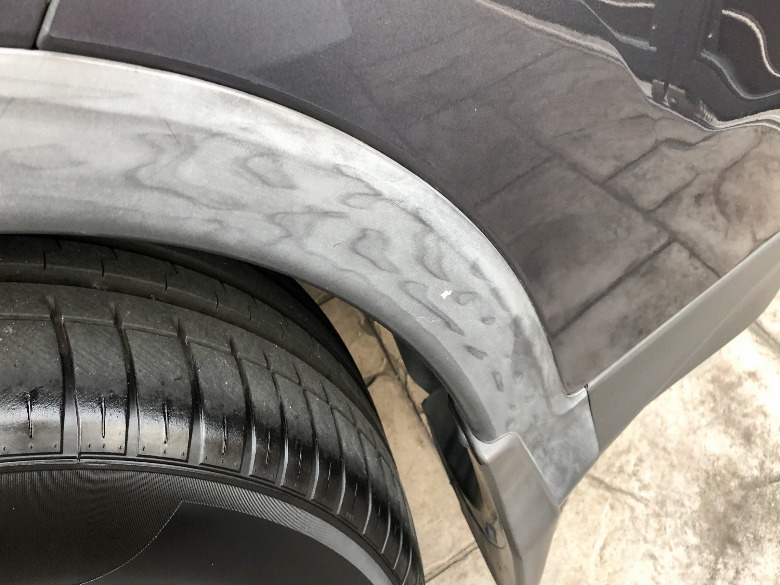
Faded Plastics
UV damage, chalky look
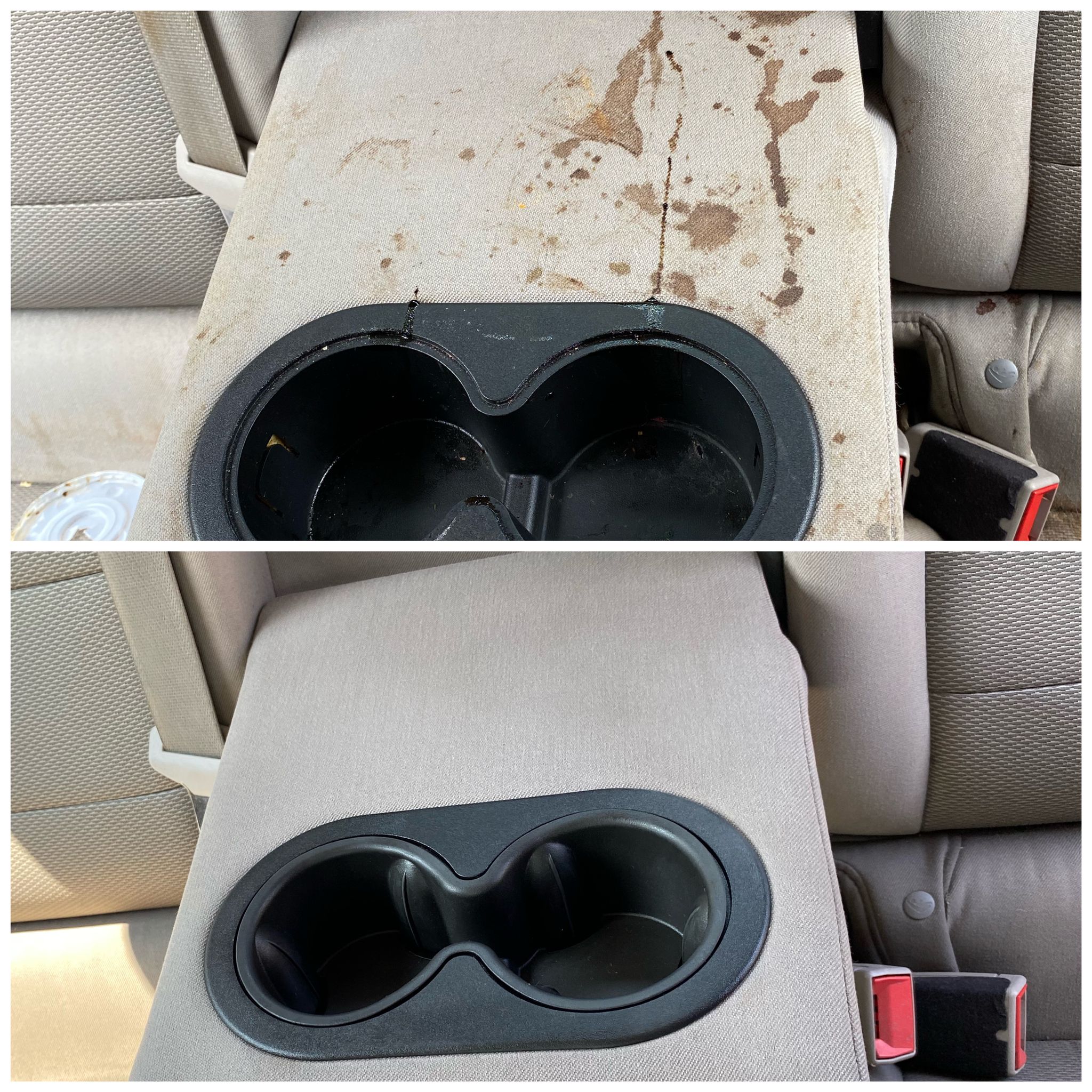
Lingering Odors
Stains covered, not removed
Swirl Marks
Improper wash techniques
Failed Coatings
Poor prep, cheap products
1
2
3
4
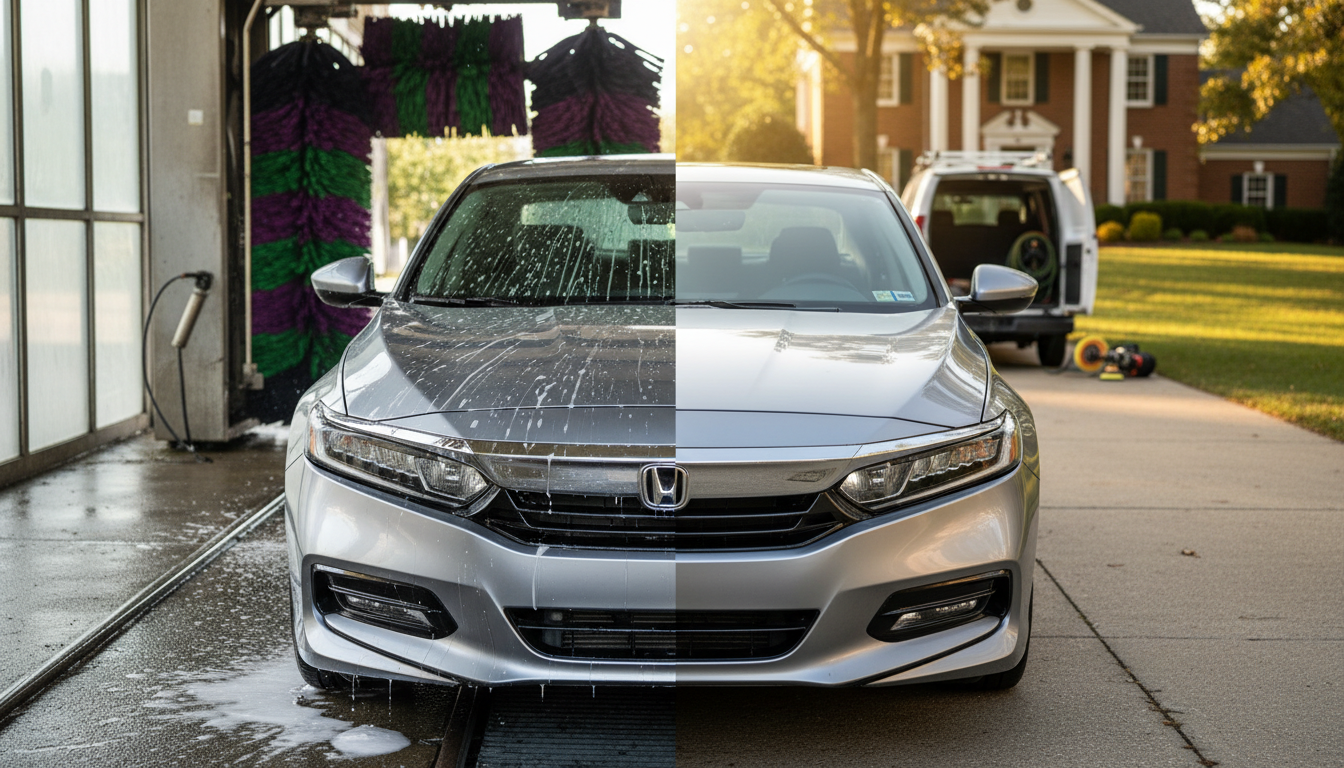
The right process vs the wrong process
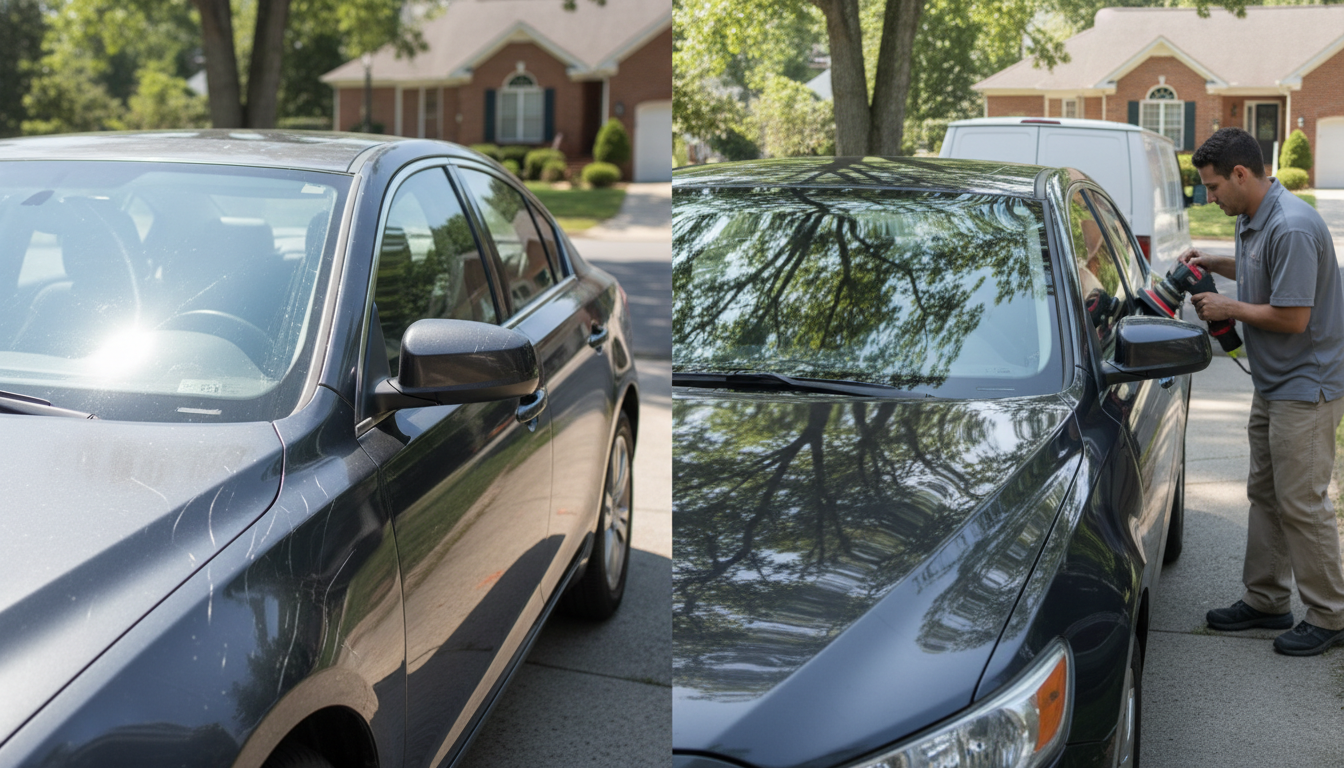
Same car. Same driveway. Two completely different outcomes based on the process and products used.
Wrong process
Damages instead of protects:
- Drags dirt across the paint and creates swirls and micro-scratches.
- Sprays over stains and spills instead of extracting them, so hidden stains and odors stay trapped.
- Uses strong, one-size-fits-all cleaners that dry out and fade plastics and trim.
- Leaves streaky windows and smeared glass, especially at night with oncoming headlights.
Right process
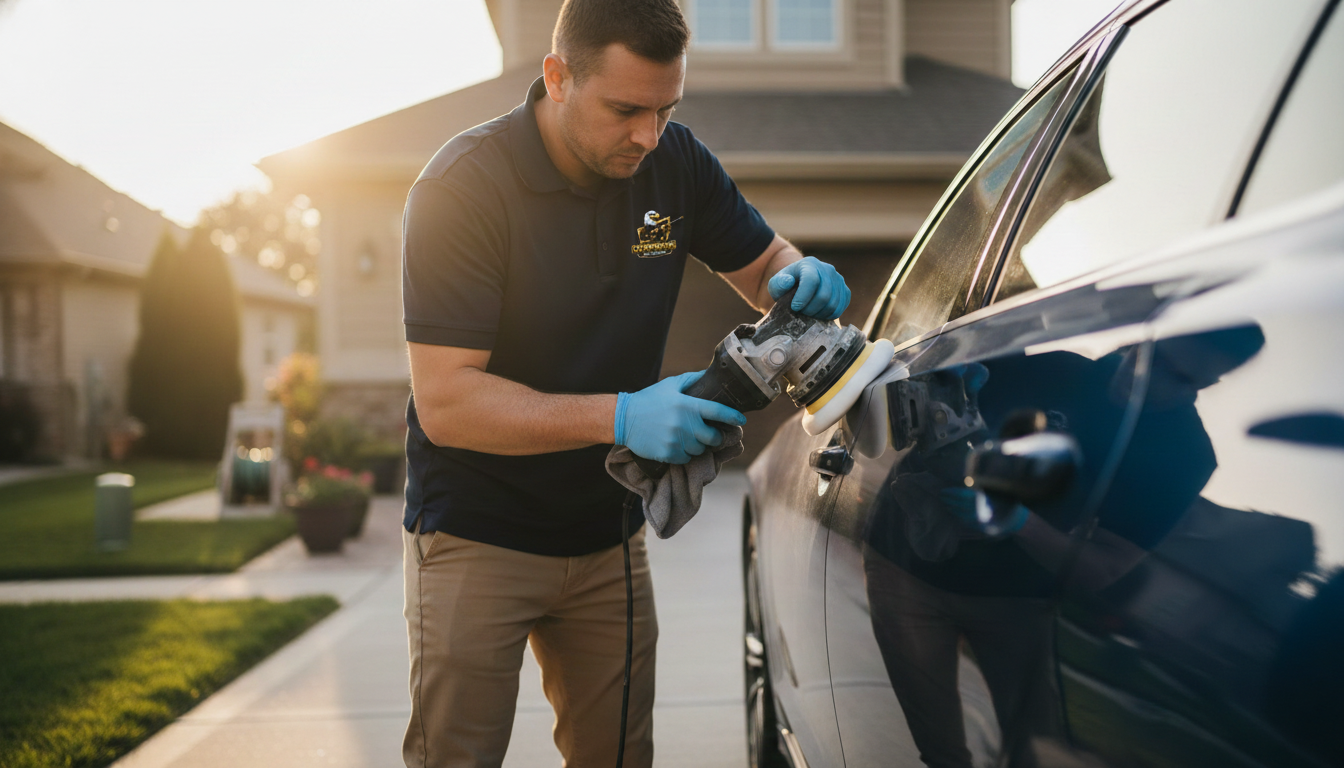
Protects and preserves your vehicle:
- Safe wash methods that lift and rinse dirt away to reduce swirls and scratching.
- Hot water extraction and proper chemistry to actually remove stains, spills, and hidden odors.
- Gentle interior cleaners and protectants that keep plastics, leather, and trim rich and even in color.
- Crystal-clear glass with streak-free windows inside and out for safer day and night driving.
Quality products
Cheap products
- Thick silicone tire gels that sling onto your paint and wheels, then turn brown and patchy.
- Harsh, high-alkaline cleaners that fade trim and plastics and can leave them chalky or blotchy.
- Oily "shine" sprays and dressings that feel greasy to the touch and attract dust and dirt.
- Cheap glass sprays that leave streaks, smears, and glare, especially at night.
How we handle cars like this
1
Inspect & document issues
2
Deep clean & restore
3
Protect, preserve & maintain
Quick questions we get after jobs like this
Can you fix work another detailer already did?
How do I avoid this happening in the first place?
How long does a real full detail take?
Choosing a detailer isn't about who is cheapest this Saturday — it's about who protects how your car looks, smells, and feels every single day.